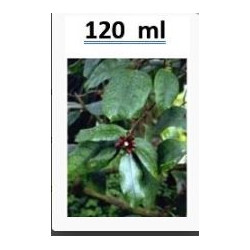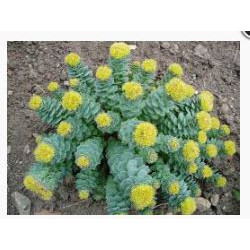
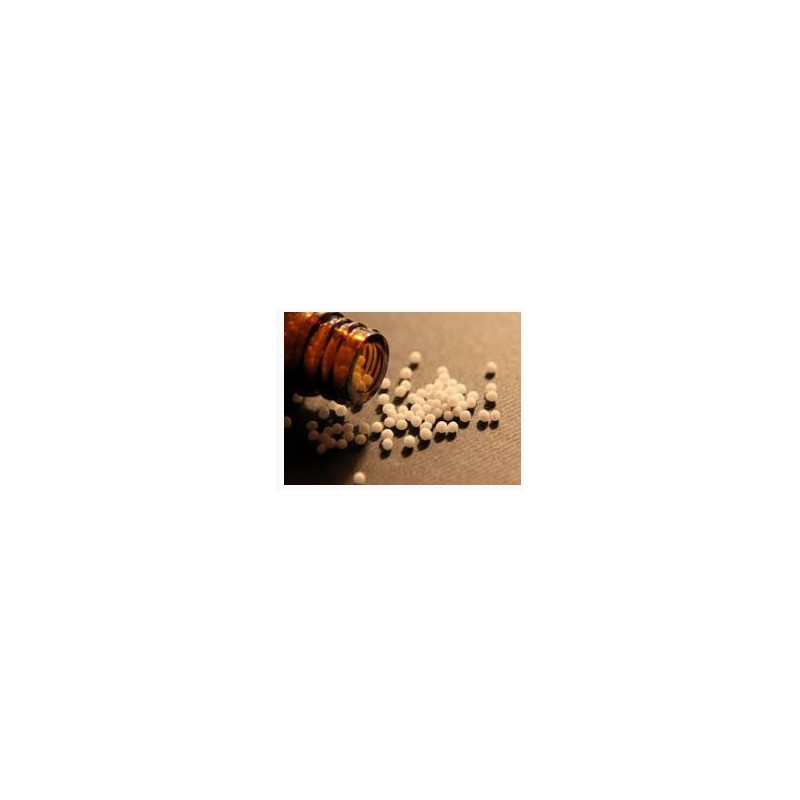

Strophantin Globuli , Quabain Strophantus gratus , 30g
 Security policy
(edit with the Customer Reassurance module)
 Delivery policy
(edit with the Customer Reassurance module)
 Return policy
(edit with the Customer Reassurance module)
"All truth passes through three stages. First, it is ridiculed. Second, it is violently opposed.
Third, it is accepted as being self evident", Arthur Schopenhauer
These Quabain Globuli will be produced fresh for you.
Estimated delivery time 4 days + Freight.
STROPHANTIN
Strophantus gratus
QUABAIN
Globuli
strong, fresh and active!
Other names:
strophantin, Strophanthin, Strophantus gratus, strophantus gratus, strodival, kombetin, Ouabain, Acocantherin, Astrobain, G-Strophicor, Gratibain, Gratus, Strophanthin, Kombetin, Purostrophan, Rectobaina, Solufantina, Strodival, Strophalen, Strophoperm, Strophosan, Uabaina, Uabanin
30g
Dosage:
2 x daily 5 to 8 globulis on the tongue.
Let it in the mouth for about 2-3 minutes.
Absorption works by mouth mucosis.
Only swallow after this period.
Coronary artery disease is currently the leading cause of death in the United States. Despite the increasing sophistication of surgical techniques, the introduction of new techniques such as balloon angioplasty, and a number of new drugs (e.g. beta blockers, calcium antagonists), it is estimated that over 1 million heart attacks will occur this year, resulting in 500,000 deaths. In short, we do not have an adequate therapeutic solution to the problem of myocardial infarction (heart attack).
The cornerstone of therapy for treatment and prevention of myocardial infarction is to remove blockages in coronary arteries that are thought to be the cause of the infarction. This adheres to the widely accepted coronary artery thrombosis theory of infarction; that is, arteries become clogged with plaque, damaged from such things as smoking or high cholesterol. A clot forms a fissure in the plaque. The clot may shut off the blood flow of the coronary artery, causing a heart attack. It is deceptively simple: The coronary arteries are clogged. No blood can flow, so the muscles of the heart cannot be supported, and heart metabolism stops, leading to death.
In Germany, another theory of myocardial infarction has been proposed by Dr. Berthold Kern (1911-1995). Dr. Kern, while performing autopsies in Germany in the 1930s and 1940s, observed that the findings of these autopsies did not corroborate the coronary obstruction hypothesis. He began researching the literature, looking for clues as to an alternative etiology. What he found was not only a new theory that may provide the missing piece of the coronary obstruction theory, but a therapy now being used by over 5000 physicians in Germany with reportedly remarkable success.
Dr. Kern’s claims, as set forth in his 1971 informational paper, Three Ways to Cardiac Infarction, can be summarized as follows:
1. The coronary obstruction theory cannot adequately explain observed facts.
2. The major etiologic factor underlying myocardial infarction is a primary chemical destructive process, cause by unchecked metabolic acidosis (accumulation of acid) in the left ventricular tissue and substantially unrelated to coronary artery disease.
3. The regular, clinical use of oral g-strophathin (a cardiac glycoside derived from the West African plant strophanthus gratus):
Dr. Kern’s observations that most myocardial infarctions occur in patients without significant obstruction of the coronary artery supplying the infracted tissue finds great support in the American peer-reviewed literature. Since 1948, over a dozen reports of post-mortem examination of infracted hearts have consistently failed to corroborate the coronary artery thrombosis theory of myocardial infarction. That is, victims of fatal heart attacks have had no evidence whatsoever of coronary occlusion.
An example of the degree of non-confirmation can be ascertained by the following quote from a 1980 article on Circulation:
Strophantin Globuli , Quabain Strophantus gratus , 30g